
What does sensitive asset management look like for dealerships?

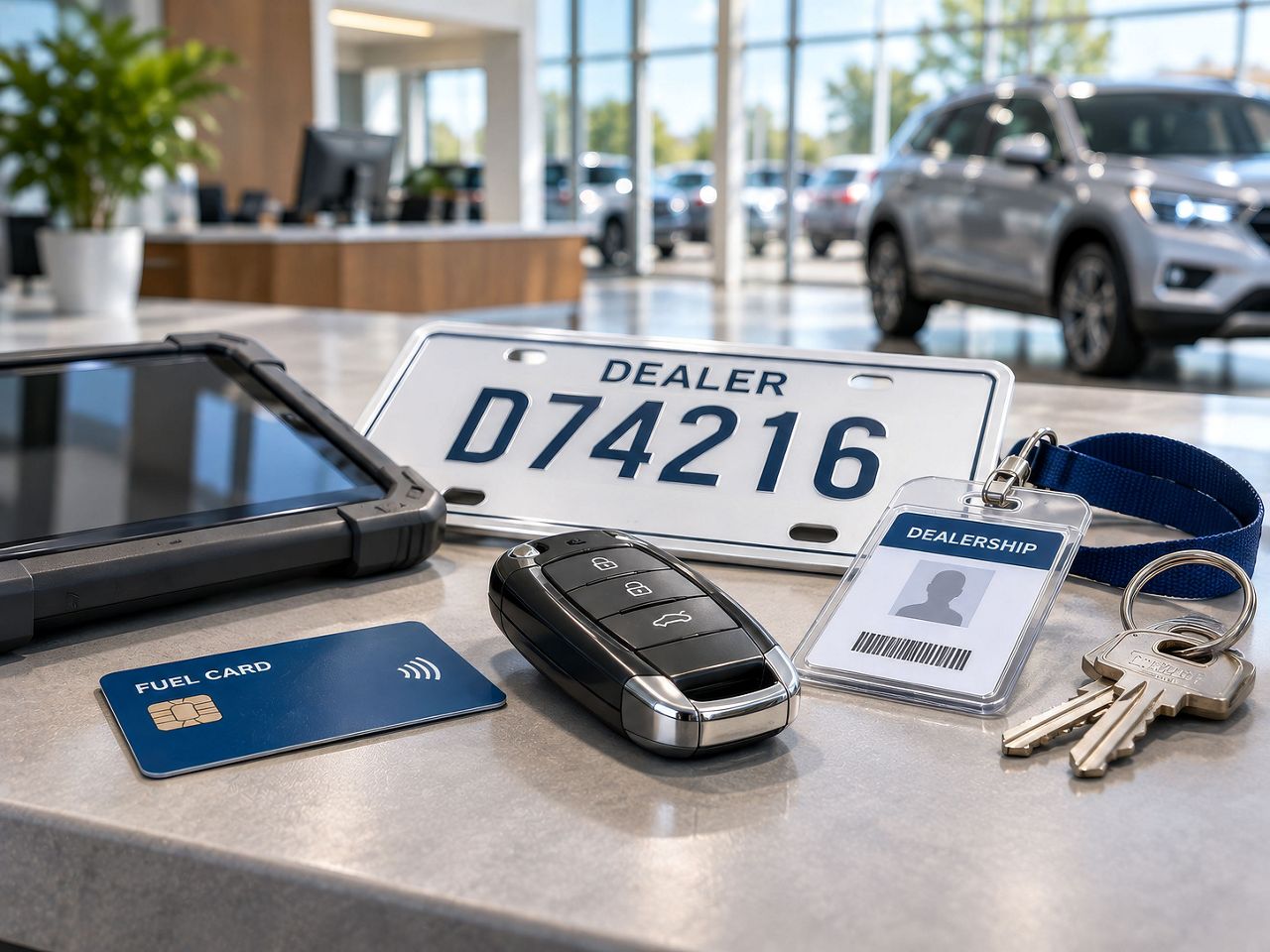
Sensitive asset management in a dealership is about keeping control of anything that could cause a problem if it ended up in the wrong hands.
That might be a vehicle key, a dealer plate, a staff access card or paperwork containing customer information. The principle is the same: access should be limited to the people who genuinely need it, with a clear record of what has been used, moved or removed.
An electronic key management system can show who accessed a vehicle key and track its movement until it is returned. If that key later goes missing, a manager can quickly see who last had it and investigate from there.
How is sensitive asset management defined for dealerships?
A dealership handles far more sensitive material than just the vehicles sitting on the lot.
Some assets are sensitive because of their value. Others matter because they open the door to something valuable.
A vehicle key may be a small object, but losing control of it can provide access to a high-value dealership asset. The same applies to master keys, dealer plates, shop equipment or fuel cards.
Then there’s the information dealerships hold. A customer buying or financing a vehicle may provide driver’s license details, financial information and other personal records. That information has to move between people and systems during the sales process without becoming unnecessarily exposed. For US dealers, the FTC Safeguards Rule also requires access controls around customer information.
On top of that, staff members create another layer of access. Employees may have ID cards, building keys, system credentials or permission to enter restricted areas. Those permissions can also change as people change roles or leave the business.
So, in dealership terms, sensitive asset management means understanding what could create risk if it were lost, copied, shared or misused, then putting appropriate controls around it.
Sensitive asset management scenarios for dealerships
Sensitive asset management becomes most important when access to something small can create a much bigger risk.
A vehicle key is the obvious example.
In a busy dealership, keys may pass between sales staff, technicians and detailers throughout the day. KEYper electronic key management systems can restrict access to authorized users while recording who has taken a key and whether it has been returned. That gives managers a live view of key activity across the site.
The same principle applies to assets that provide access elsewhere. Dealer plates, building keys, fuel cards or access credentials can all create problems if they are misplaced or used by the wrong person. Secure KEYper cabinets can keep those items in one controlled location, with permissions set around individual users or roles.
There are also situations where the asset itself is valuable. Diagnostic tools, tablets or specialized shop equipment may be shared across several departments. Keeping a clear record of who has them makes it easier to see what is available at any time.
Staff changes can expose weaknesses too. When someone changes departments or leaves the business, their access should change with them. A centrally managed system allows permissions to be updated without having to rethink the physical security of every asset they previously used.
For stakeholders, the benefit is greater oversight. Sensitive assets are kept secure, with a clear record of access that managers can review when something does not look right.
Auditing existing asset management systems
A sensitive asset is really anything that could cause a problem if it ended up in the wrong hands or could not be accounted for.
That makes a good audit less about checking boxes and more about understanding how those assets are actually managed day-to-day.
Where are they kept? Who can get to them? And do those access permissions still make sense for the roles people are doing now?
It’s also worth looking at what happens once something leaves secure storage. If an item is not returned, how quickly would someone notice? And if something unusual happened, could a manager see what had happened without having to chase information across different systems?
The point is not simply to check that a cabinet locks. It is to understand whether the dealership has enough control over its sensitive assets, and where the current setup could be tightened up.
Our team is here to help
Once you know where the gaps are, the next step is working out what actually makes sense for your dealership.
That is where KEYper can help. We can work with you to build on what is already in place, whether that means improving key control or bringing other sensitive assets into the same system.
The most effective asset management systems are often the ones that simplify operations rather than add complexity. The right setup should make day-to-day life easier for your team, not add another layer of hassle.
At the end of the day, it is about having confidence that the assets your dealership relies on are properly protected. And the KEYper team is here to help you put the right system in place to make that happen.
Accountability beyond the vehicle key
From vehicle keys and dealer plates to access cards and shared equipment, KEYper electronic key and asset management solutions help dealerships protect the assets their operations depend on. Control access, track usage, and maintain clear accountability across departments.