
What dealership owners should look for in key peg systems

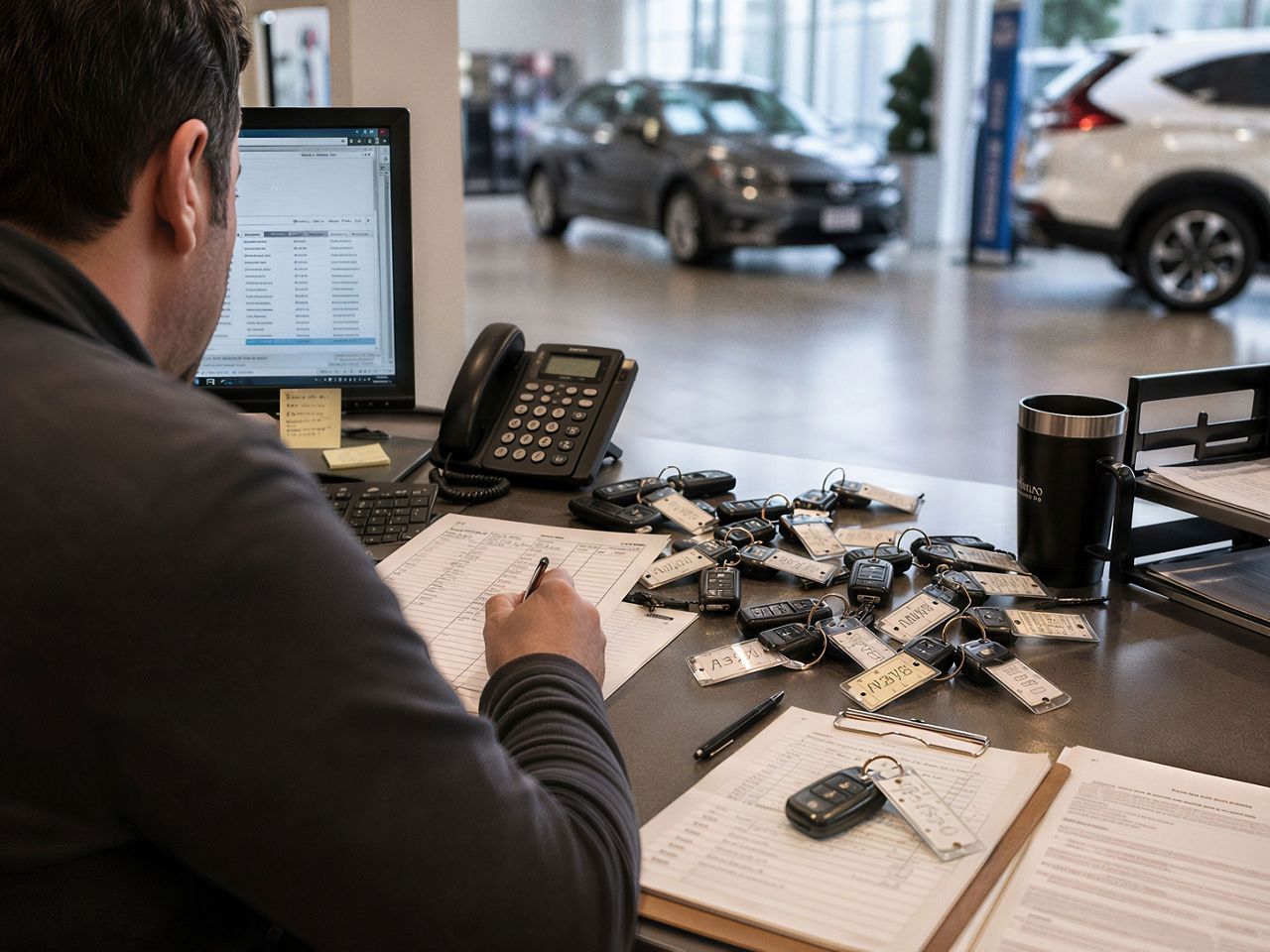
Keys move constantly in a busy automotive environment. Vehicles are being prepped, test driven, serviced, and handed over, and every one of those moments starts with someone reaching for a key. A key peg system brings structure to that movement. It makes the act of taking a key deliberate and visible, linking it to a specific person and making its absence immediately obvious on the board.
For any business relying on tight vehicle access control, that turns key storage into real control. Staying on top of current systems means asking whether you can clearly see who has each key at any given time and whether that level of visibility matches the pace of your operation.
4 things to look for in a key peg system:
1. True user accountability
A key peg system should physically link every key removal to a specific individual. Personalized access pegs that stay in the board until the key is returned create instant visibility of who has what. Without that, keys can be passed between staff with no record, increasing the risk of lost vehicles or internal misuse. KEYper’s Mechanical Key Control system prevents this by tying each key to a named user at the point of removal.
2. Clear visual status at a glance
In a fast-moving showroom or service lane, managers need immediate clarity. The right system makes missing keys obvious without logging into software or checking paperwork. If you choose a board that lacks strong visual cues, missing keys can go unnoticed for hours. KEYper’s Mechanical Key Control system is designed so an empty slot and retained user peg instantly signal activity.
3. Controlled release, not open access
Some basic boards allow keys to be lifted too easily, undermining control. A secure peg-based system should require authorized access before any key is released. If the wrong system is installed, convenience can outweigh control, exposing high-value inventory.
4. Durability under daily pressure
Key boards in dealerships are used day in and day out. Weak materials, loose fittings, or poorly designed plugs can fail over time, leading to broken controls or workarounds by staff. Once employees bypass the system, accountability disappears.
What if you don’t already have a key peg system?
If you don’t, you’ll recognize the soundtrack. “Have you seen that key?” “Who had the Raptor?” “It was here a minute ago.” Keys go missing, people shrug, and everyone loses ten minutes retracing steps.
If you’re buying your first system, don’t overthink it. Start with control. You want a board that physically stops keys being lifted without authorization. If anyone can just grab and go, it’s not really control.
Next, make sure every key removal is tied to a named person. No shared access, no guessing. If something goes wrong, you should know exactly who had that key and when.
Look for instant visibility. You shouldn’t need to open a spreadsheet or check a log. A quick glance at the board should tell you what’s out and who’s responsible.
And finally, keep it simple. If the system feels complicated, staff will work around it. A solid mechanical setup like KEYper Mechanical Key Control builds accountability into the everyday routine without slowing anyone down.
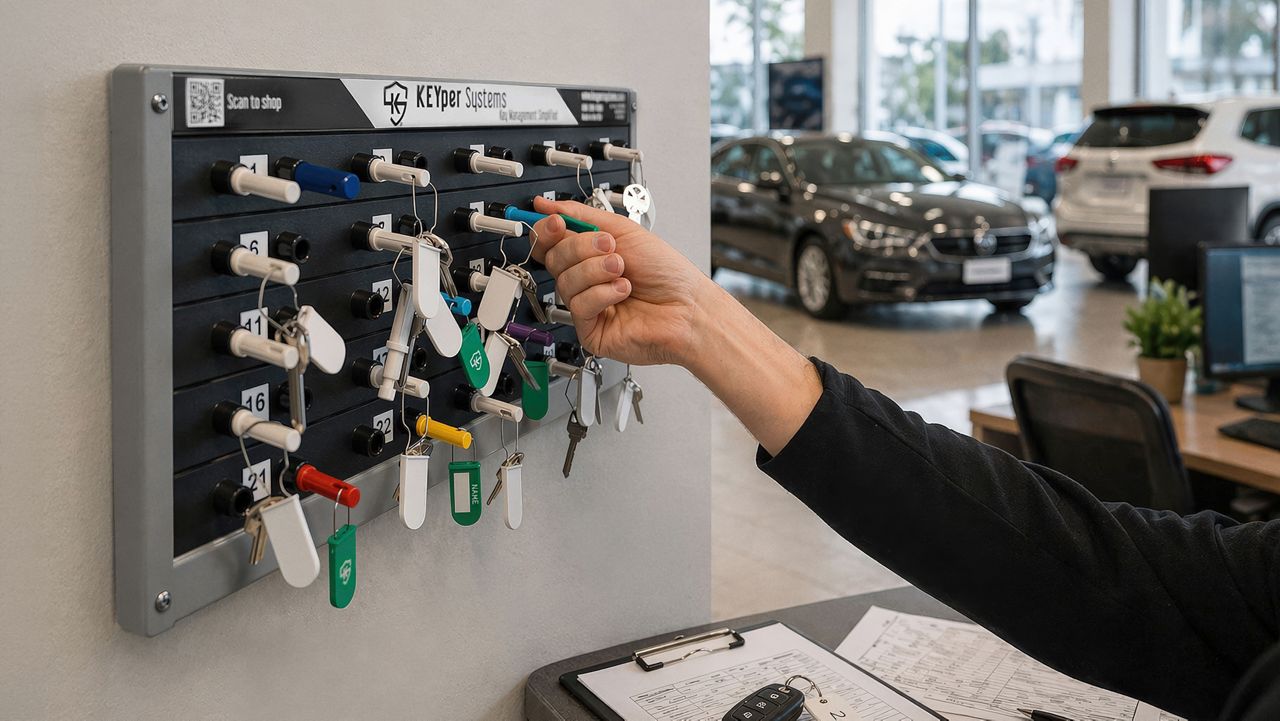
How are key peg systems evolving in 2026?
Key peg systems in 2026 are starting to feel a little like old-school meets new-school. The mechanical board you know and trust isn’t going anywhere, but it’s getting smarter. Imagine pegs that can quietly tell you which keys are out and who has them, in real time, without anyone logging into a computer.
Some systems even connect to apps or dashboards, giving managers a clear picture of activity across the day.
We’re also seeing extra layers of security slip in – biometrics, PINs, or RFID chips – so taking a key isn’t just a grab-and-go moment anymore. The future feels like a seamless blend: the reliability of metal and pegs, but with a whisper of digital oversight.
Plug-and-peg systems are still very much part of the conversation today, though, and will continue to shape it in the years to come
Our team is here to help!
For over 30 years, KEYper Mechanical Key Control has been helping organizations around the world keep track of their keys, vehicles, equipment, and other assets. In that time, we’ve built a reputation for creating not just reliable, robust systems, but for offering service that guides businesses to the right solution.
Whether a dealership is looking to upgrade an existing setup or purchase their first key peg system, we help them understand exactly what will meet their needs. Speak to us today to find the perfect system for your business.