
Utility fleet key management best practices

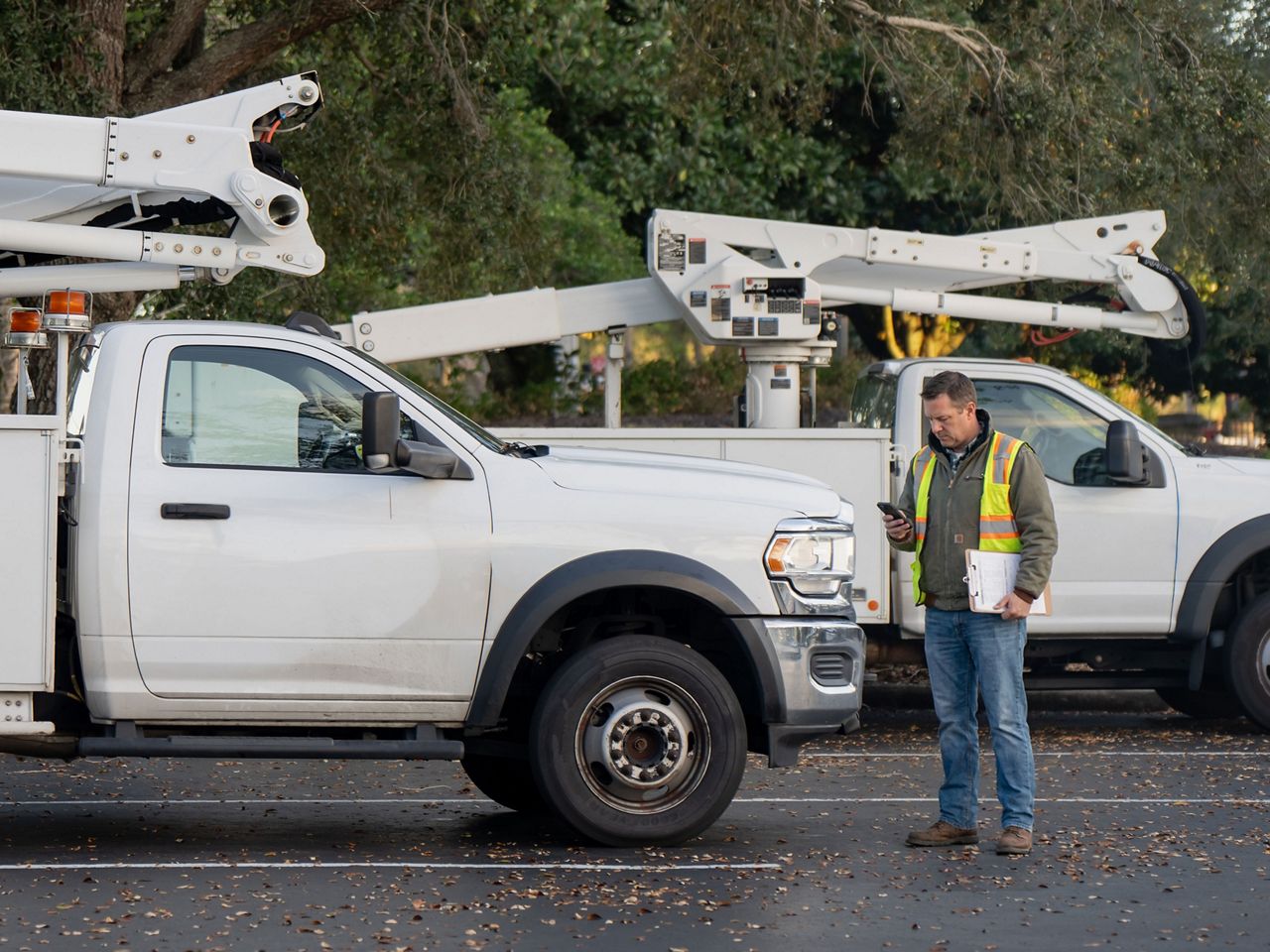
Utility fleets operate in some of the most demanding environments imaginable.
From emergency storm response to daily service operations, utility vehicles must be available when crews need them. Delays caused by missing keys, poor accountability, or inefficient processes can directly impact service delivery.
That's why effective key management should be considered a critical component of fleet operations.
Standardize key access procedures
One of the most common challenges utility organizations face is inconsistent key management practices.
Every employee should follow the same process for:
- Checking out keys
- Returning keys
- Reporting issues
- Transferring vehicle responsibility
Standardized procedures help eliminate confusion and improve accountability.
Maintain complete visibility
Fleet managers should always know:
- Who has a vehicle key
- Which vehicles are available
- Which assets are currently assigned
- When keys are expected to be returned
Real-time visibility helps managers make informed operational decisions.
Create an audit trail
Documentation is essential for utility operations.
A complete audit trail provides valuable information for:
- Internal reviews
- Safety programs
- Incident investigations
- Compliance initiatives
- Asset management reporting
Every key transaction should be recorded and accessible when needed.
Support emergency response
During severe weather events and emergency situations, rapid vehicle deployment becomes critical.
Efficient key management ensures crews can access vehicles quickly while maintaining accountability throughout the response effort.
Make key management part of fleet strategy
Utility organizations invest heavily in vehicles, equipment, and technology. Key management should receive the same level of attention.
A structured key management program helps improve efficiency, reduce risk, and support the operational readiness that utility fleets depend on every day.
Keep your fleet ready for what’s next
From daily dispatch to emergency response, vehicle access should never slow your operation down. See how Traka fleet solutions help organizations maintain accountability, improve vehicle availability, and give teams secure access to the keys they need—when they need them.