
The role of tracking systems in effective fleet management

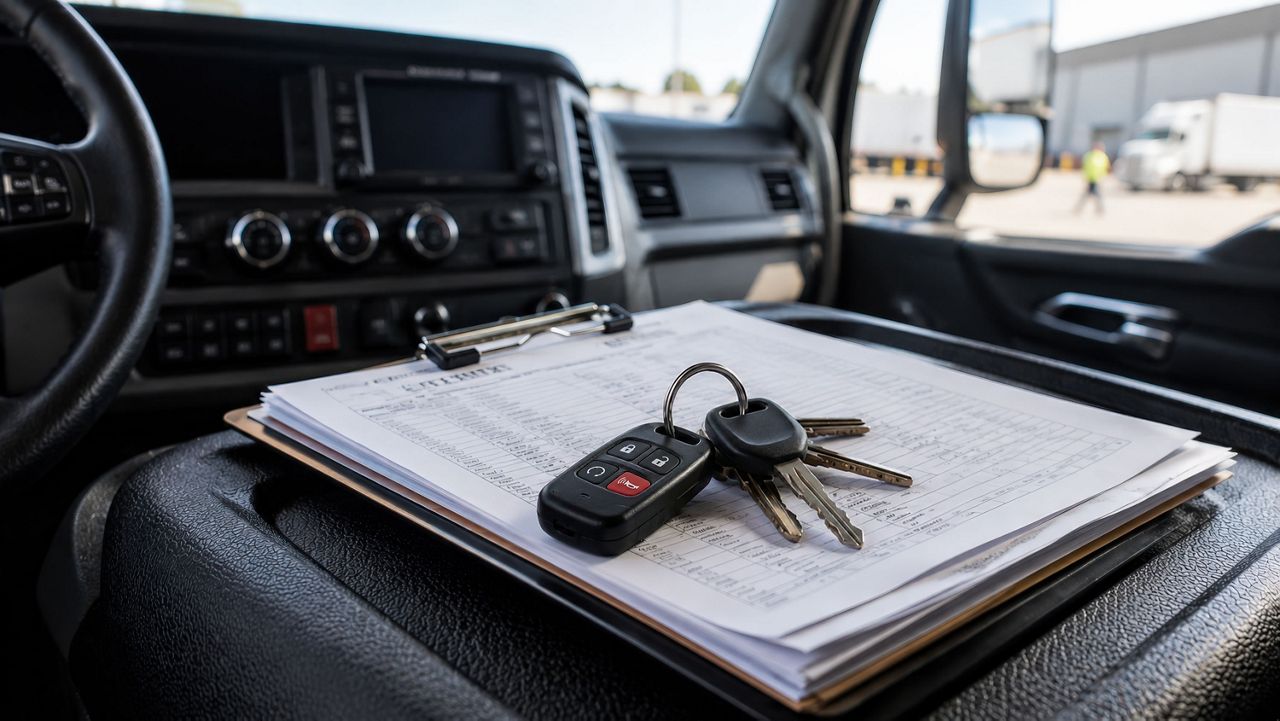
Most fleet managers have been there. "Where's the vehicle key?"
Before long, people are searching drawers, making phone calls, and that’s all before the accusations start flying. Sometimes the key turns up within minutes. Sometimes it doesn't.
That's why tracking systems have become such an important part of modern fleet management. They create a reliable record around important assets, making it easier to answer questions without relying on memory or spending time chasing information.
For fleet managers, that means fewer distractions and greater confidence in the answers they give.
How to develop fleet security with modern systems
Building effective fleet security isn't about buying the newest technology. It's about making sure the right systems are in place, properly connected, and working the way your fleet actually operates.
1. Start with vehicle keys
Many fleet security conversations begin with vehicles, but the keys are often the better place to start. If vehicle access isn't being controlled effectively, other security measures can quickly lose their value. Electronic key management systems such as the KEYper MX series provide a stronger foundation for wider fleet security.
2. Stop relying on manual records
When critical information lives in notebooks or spreadsheets, finding answers can become unnecessarily difficult. Modern systems create clear, automatic records of activity – removing the need for consistent manual input.
3. Connect systems that already exist
Developing fleet security doesn't always mean buying something new. Often, the biggest improvements come from allowing existing systems to share information more effectively.
4. Make information easier to access
Security information isn't much use if nobody can find it when it matters. Modern systems are increasingly focused on making important information available quickly rather than burying it within separate platforms.
5. Use AI to identify patterns
AI is becoming more common across fleet technology. Rather than simply recording activity, systems are increasingly able to highlight unusual behavior, spot trends, and draw attention to activity that may otherwise go unnoticed.
6. Build security around the way the fleet operates
The most effective systems tend to fit naturally into existing operations. Technology should support day-to-day activity rather than forcing fleets to completely change the way they work.
7. Think beyond today's requirements
Fleet security is constantly evolving. When introducing new technology, it's worth considering how it may fit alongside future systems and requirements rather than focusing only on immediate challenges.
Developing existing fleet security systems
Improving fleet security doesn't necessarily mean ripping everything out and starting again.
Most fleets already have systems in place – the key question is whether they’re still delivering the value they were designed to provide.
A good place to start is with the everyday frustrations. Are people spending too much time looking for answers? Does finding out who had a vehicle key involve checking multiple places? Are simple questions taking longer to answer than they should?
It's also worth looking at how much still depends on people remembering to do something. The more a system relies on manual updates, the easier it becomes for information to go missing.
Another common issue is that technology gets added over time. One system solves one problem. Another gets introduced a few years later. Before long, information is spread across different platforms and nobody has the full picture.
This is something we see regularly at KEYper. Often, the biggest opportunities don’t come from replacing everything – they come from making better use of what’s already in place.
Small changes in the right places can have a surprisingly large impact over time.
Our team is here to help
Fleet security isn't something that's solved once and then forgotten about.
Fleets evolve. Businesses grow. New challenges emerge – and technology continues to advance.
That's why we believe the relationship shouldn't end once a system has been installed.
At KEYper, we aim to build long-term relationships with the businesses we work with. We want customers to feel comfortable picking up the phone whenever they need advice.
Sometimes those conversations lead to new technology. Sometimes they don't. What's important is having a partner who understands the business and can help navigate whatever comes next.
After all, the fleet you're managing in five years' time may look very different from the fleet you're managing today.
We're here for that journey, not just the installation.
KEYper Systems is part of ASSA ABLOY, the world's leading access solutions group.
Fleet key management
Keep vehicles moving with secure, accountable access to fleet keys. KEYper solutions help streamline key checkouts and returns, reduce time spent searching for keys, and provide greater visibility into who has each vehicle—helping fleet teams improve accountability and keep daily operations on track.