
The role of real-time inventory visibility for dealership security in 2026

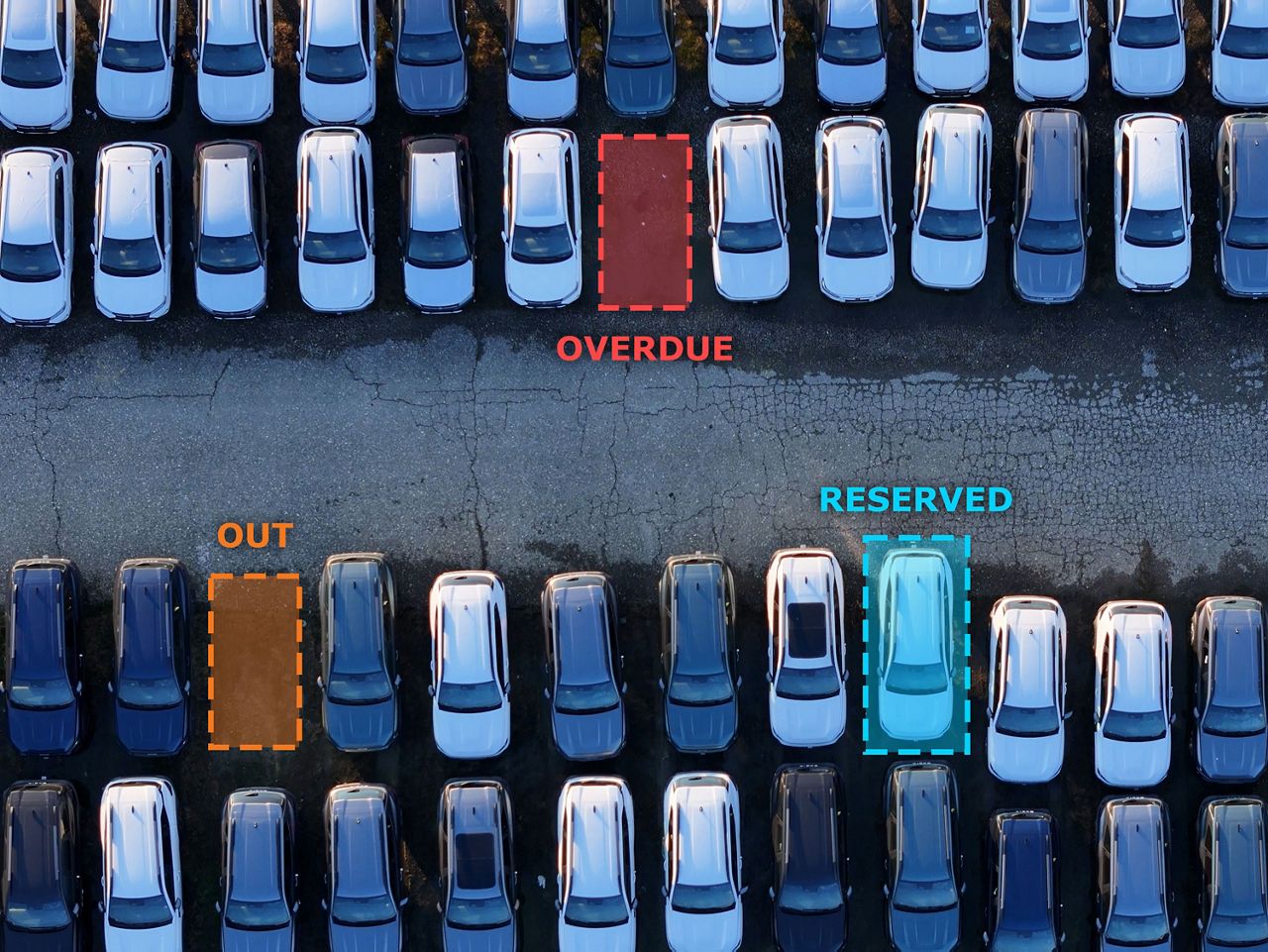
It wasn’t too long ago that dealerships kept track of keys using pieces of paper and a whole lot of trust. Fast-forward to 2026 and the idea of running things that way feels outdated at best, risky at worst.
Today, dealers expect to know exactly where their keys are and who has taken them the moment they leave the cabinet.
Real-time inventory visibility makes that possible.
Put simply, it means having a live picture of what’s happening with your inventory at any moment. Instead of relying on manual checks or finding out later that something is missing, managers can see in real time exactly where everything is and who has it.
4 crucial roles of real-time inventory visibility systems for dealership security
1. Instant awareness of keys and assets
No more guessing who has what or digging through drawers to find a missing key. Real-time visibility systems show exactly which keys and assets are in use and which are still in storage. That instant awareness gives managers control and helps prevent lost or misused items so work doesn’t get held up.
2. Clear accountability for staff
Every key or asset is linked to the person who took it. That means no more finger-pointing or “I thought someone else had it” moments.
Staff know they’re responsible the moment they remove an item, which helps prevent accidental loss, misuse, or unauthorized access while building a culture of trust and responsibility.
3. Protecting customer experience
Missing keys or misplaced items can hold up everything from test drives to service appointments.
Real-time visibility lets managers and staff locate what they need instantly, so customers aren’t left waiting. When assets are in their place, dealerships can focus on helping customers instead of scrambling to track down tools or vehicles.
4. Future-proofing operations
Dealerships are growing, inventories are increasing, and staff turnover happens. A system that tracks inventory in real time prepares the dealership for expansion and changing workflows.
Instead of relying on old manual methods, dealerships can maintain control and security as operations scale, making these systems an essential investment for 2026 and beyond.
)
Where should dealerships start with these visibility systems?
The best place to start when thinking about visibility systems is understanding what you actually need to see.
You can’t achieve real visibility if you don’t know what’s out there or where it’s supposed to be. In a dealership, that usually means keys, vehicles, and any high-value tools or equipment that move around throughout the day. Start by taking stock of what you have and identifying what’s most important to track.
Then, think about how your team works. Who needs access to which keys or assets, and how often?
Some staff might only handle vehicles occasionally, while others move them all day. That helps decide whether a mechanical peg-and-plug board will do the job or if an electronic key cabinet makes more sense. Electronic systems log everything automatically, which is useful as your operations grow.
Finally, consider your current setup and future plans. How many keys or assets do you have now, and how might that change over the next few years? Choosing a system that can grow with you means you won’t have to replace it as soon as your inventory or staff expands. Start by knowing what you need to see, and the right visibility system will make keeping track simple.
Auditing existing real-time inventory visibility systems
If a dealership already has a visibility system in place, the first question is simple: does it actually show what’s happening right now?
Older setups often rely on delayed updates or manual inputs, which means the picture they provide isn’t always accurate.
When auditing a system, check how information is captured and whether it reflects real activity on the floor.
It’s also worth looking at access control and logging. Can you see who interacted with an item and when? If that information is missing or difficult to retrieve, the system may be due an upgrade. Connectivity is another common gap.
Many older platforms don’t communicate well with newer dealership tools, which limits their usefulness. A good audit highlights where the system falls short and where a modern upgrade could close those gaps.
Our team is ready to assist you
Real-time inventory visibility systems can seem complicated at first, especially if a dealership is exploring them for the first time. The KEYper team can help make sense of it. We work with dealerships to understand what these systems look like in practice and how they strengthen control over valuable assets.
Sometimes that means starting fresh and identifying what needs to be monitored across the site. In other cases, it’s about reviewing an existing setup and spotting where older technology is falling behind. Many systems still do the basics but lack the clarity and responsiveness modern dealerships expect.
If you’re exploring real-time visibility or thinking about upgrading what you already have, get in touch with our team and we’ll help you figure out the next step.