
How does inventory monitoring work as part of fleet management systems?

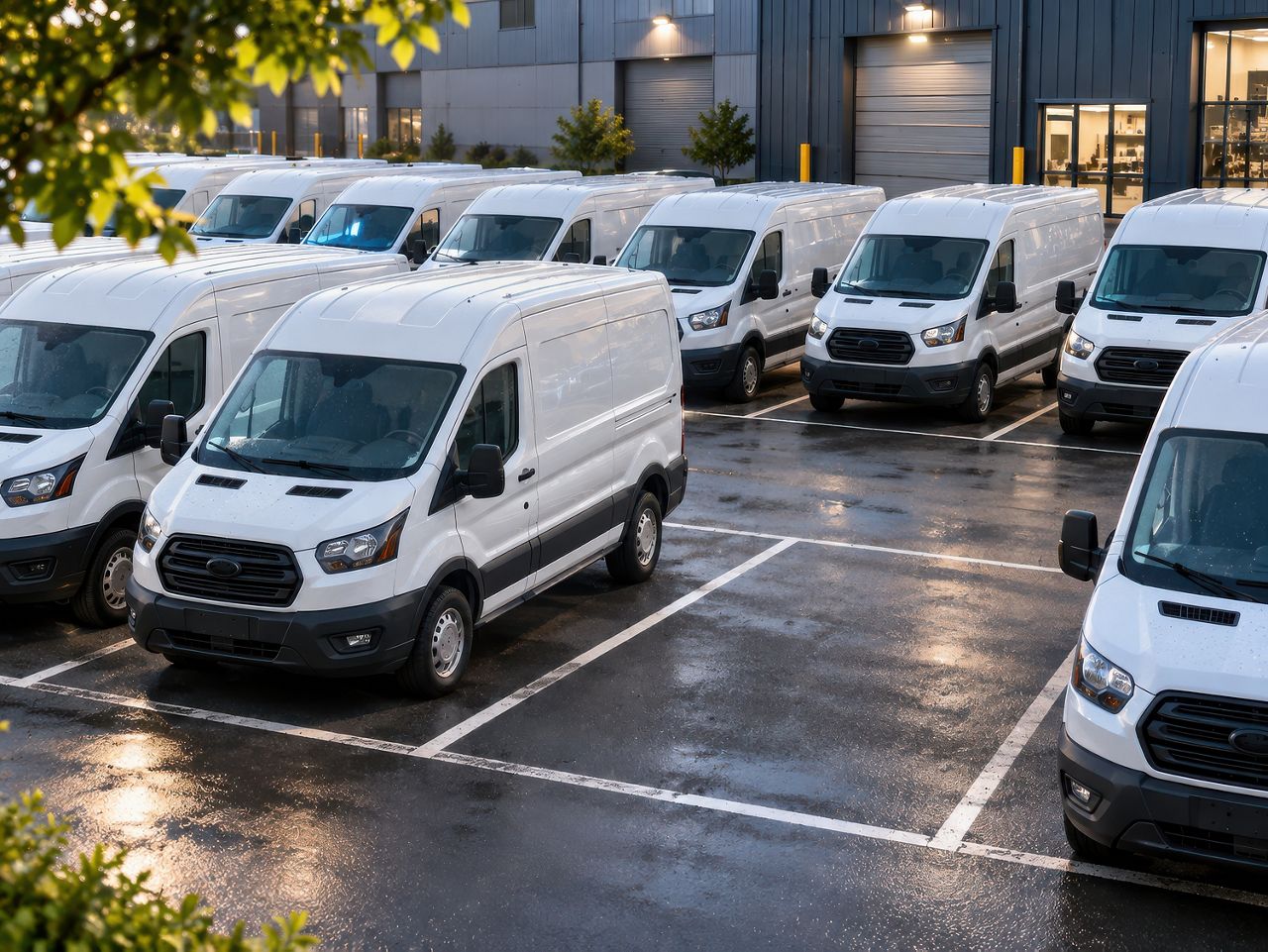
Inventory monitoring within fleet management systems helps businesses keep track of their vehicles, keys and other assets, while also recording how they are being used. This guide focuses on keys and physical assets, rather than GPS tracking or telematics.
Digital systems can show whether something is available and who last accessed it, giving fleet managers a much clearer picture of what is happening across the operation. It can also cut down on lost keys and make it easier to deal with unauthorized vehicle use.
Understanding inventory monitoring in relation to fleet management systems
Keeping track of a handful of vehicles is one thing. It gets a lot harder when you have hundreds of them moving between different drivers and locations.
That is where inventory monitoring really comes into its own.
In fleet management, inventory can include the vehicles themselves as well as the keys and other assets linked to them. The aim is simple: fleet managers need to know what is available and who currently has access to it.
In the past, that often meant relying on a key board or spreadsheet. Sometimes it simply came down to somebody remembering who took what. Not exactly reliable, and a process that can quickly become problematic when a key is returned to the wrong place or a vehicle is needed and nobody is quite sure where it is.
Digital inventory monitoring gives fleet managers a much clearer view of what is going on.
KEYper systems, for example, can electronically record key transactions so managers can see who accessed a particular vehicle key and when. Access can also be restricted to authorized users, while reports give managers a clearer record of activity.
That means less time trying to work out what happened after the event.
It can also help with longer-term planning. If a vehicle is rarely used, constantly in demand, or often returned late, inventory data makes those patterns much easier to spot.
Breaking down the inventory monitoring process
1. Give every asset a clear place in the system
You need to know what you are monitoring before you can monitor it properly. Vehicle keys and other fleet assets can be entered into an electronic management system and linked to the relevant vehicle.
With KEYper MX Key Cabinets, for instance, keys are stored securely while the system keeps a digital record of their activity. It is a much easier starting point than trying to determine which unmarked key belongs to vehicle 37.
2. Control who can take what
Not everybody necessarily needs access to every vehicle.
Electronic key management lets fleet managers set permissions so authorized staff members can access the keys they need.
Systems such as KEYper MX can control access at individual asset level and can also apply schedules that determine when an item is available. The driver gets the vehicle they need without somebody having to manually hand over a key every time.
3. Keep the inventory updated as people use it
This is where the monitoring part really comes in. When someone removes a key, the transaction is recorded. When it comes back, the system records that too.
Fleet managers can therefore check whether an asset is available and see who currently has it if it isn't. KEYper systems can maintain this audit trail automatically, rather than relying on somebody remembering to update a paper sheet at the end of a busy shift.
4. Deal with problems before they become bigger ones
Good inventory monitoring should do more than tell you that something has gone missing. With the right systems, managers can set limits on how long an asset can remain out and receive alerts for activity such as overdue items.
Reports can then be used to look at individual transactions or longer-term usage patterns. That can make it much easier to track down a key today rather than discover it is missing next Tuesday when someone desperately needs the vehicle.
Getting your inventory monitoring systems in order
You do not have to completely change the way your fleet works to improve inventory monitoring. A good place to start is by looking at where the current process tends to break down.
How are keys currently handed out?
Can you tell who has a vehicle without making a phone call?
What happens when a key isn't returned?
And how much time does your team spend looking for things that should have been easy to find?
Once you know the pain points, you can decide how much automation you actually need.
For a smaller operation, that might mean introducing controlled electronic key storage. A much larger fleet could need something more scalable, with individual access permissions, reporting and remote administration.
KEYper offers different electronic systems to suit different setups, alongside software designed to give managers greater visibility over their key and vehicle inventory.
Once your monitoring systems are in order, the day-to-day side of fleet management becomes a lot easier to stay on top of.
Talk to our team
Fleet inventory monitoring really comes down to knowing what is happening without having to go looking for the answer every time.
Which vehicles are available? Who has the key? Has it been returned? Is somebody trying to access something they shouldn't?
Those should be quick questions to answer.
And KEYper's electronic key and asset management systems do just that. Not only can they help replace manual processes with controlled access and automatic transaction records, but they can also be scaled around the number of vehicles you manage, the people who need access to them and the level of oversight your operation requires.
And you don't need to know exactly which system you need before getting in touch.
Talk with a KEYper Systems specialist to identify the right level of key control and inventory visibility for your fleet.
Greater visibility. Better fleet control.
KEYper fleet management solutions provide secure, automated key access and real-time inventory visibility. Know which vehicles are available, track key activity, and maintain accountability across your fleet—all while keeping daily operations moving.